
More Than a Passport: Reconnecting with Your Italian Heritage

For many people, pursuing Italian citizenship is about much more than obtaining a passport. It is an opportunity to reconnect with family roots, preserve a cultural legacy, and gain a deeper understanding of the ancestors who came before them.
The good news is that you do not have to wait until your citizenship application is approved to begin that journey. In fact, some of the most meaningful ways to reconnect with your Italian heritage can start today.
Start by Learning Your Family's Story
Every Italian family has a story, yet many details are often lost over time.
Many successful family history journeys start with a small clue:
- An old family document
- A faded photograph
- A story passed down from a grandparent
From there, the search can lead to records, relatives, and discoveries that transform your understanding of where your family came from and the journey that brought them to a new country.
Talk to parents, grandparents, aunts, uncles, and older relatives while you still can. Consider recording their memories so future generations can hear their voices and preserve family knowledge that might otherwise disappear.
Ask about:
- The town your ancestors came from
- Family traditions and recipes
- Immigration stories
- Wartime experiences
- Courtship and marriage
- Childhood memories
- Assimilation and daily life
- Occupations and trades
- Old family photographs
- Relatives who remained in Italy
Look for old photographs, letters, passports, naturalization papers, military records, and other documents that can help tell your family’s story.
Beyond confirming names and dates, these records can reveal where ancestors lived, what work they did, who their neighbors were, and how they built their lives. A village name scribbled on the back of a photograph or a story repeated at family gatherings can unlock an entirely new chapter of family history.
The Italian town your ancestor left behind may be smaller than you imagine. But the story it has to tell could be bigger than you ever expected.
Many people find that researching family history creates a stronger emotional connection to their ancestors.
Discover Your Ancestral Town
While many descendants know their grandparents or great-grandparents emigrated from Italy, far fewer know the specific town, village, or comune they left behind. Yet that one place may hold the key to understanding not only your family's history, but also many of the traditions, values, and stories that shaped generations of your family.
Italy is often spoken about as if it were a single culture, but every region has its own unique identity. A family from Sicily may have traditions that differ dramatically from those of a family from Veneto. Foods, dialects, festivals, architecture, and even family naming customs can vary from one province to the next.
In many cases, the customs Italian Americans still practice today originated not from Italy as a whole, but from a single town where generations of their family once lived. That Sunday recipe, holiday tradition, or family nickname may trace back to a specific village street thousands of miles away.
Finding your family's hometown can be one of the most rewarding parts of reconnecting with your heritage. Once you identify your ancestral town, you can begin exploring its history, landmarks, festivals, and local traditions.
Suddenly, Italy becomes more than a country. It becomes your family's place in the world.
Build Your Family Tree
Many people assume genealogy research is simply a matter of collecting names and dates. In reality, the records used to establish eligibility often reveal far more about an ancestor's life than most families expect.
Creating a family tree allows you to:
- Preserve family history for future generations
- Learn about ancestors you never met
- Discover migration patterns
- Understand how your family evolved over time
- Identify relatives who may still live in Italy
- Better understand whether you may qualify for Italian citizenship
Many people begin with a simple chart and eventually uncover family stories spanning centuries.
The process often transforms a collection of names and dates into a rich narrative filled with real people, achievements, hardships, traditions, and journeys that influenced future generations. Instead of seeing a single ancestor on a family tree, you begin to understand the family, community, and circumstances that shaped their life.
Discover the Story Behind Your Eligibility
Once you know your ancestral town and have created a basic family tree, contact My Italian Family for a free consultation to explore your eligibility for Italian citizenship.
During our eligibility research, our genealogists often uncover fascinating details about a family's past. Naturalization records, passenger manifests, census records, and other historical documents can reveal occupations, forgotten immigration stories, military service, family connections, and other insights that bring an ancestor's life into sharper focus.
For many clients, these discoveries become one of the most rewarding parts of the citizenship journey, providing a deeper understanding of the ancestors whose lives paved the way for their eligibility today.
Learn Some Italian
You do not need to become fluent overnight.
Even learning basic Italian can help you feel more connected to your heritage.
Start with:
- Everyday greetings
- Common family expressions
- Numbers and dates
- Regional phrases
- Simple conversations
Language provides insight into Italian culture, traditions, and family history. It can also help bring old letters, historical documents, and ancestral stories to life.
Many people begin with language-learning apps, while others prefer local classes where they can practice with native speakers and fellow learners.
Learning Italian can be especially rewarding if you plan to visit Italy, connect with relatives who still live there, or navigate life as an Italian dual citizen in the future.
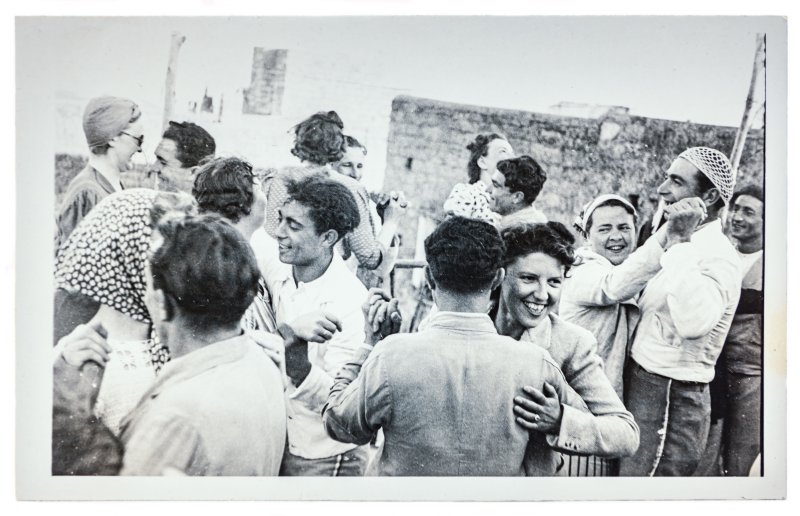
Recreate Family Traditions
Culture is often preserved through everyday traditions.
Take time to rediscover customs that may have been passed down through generations or lost over time:
- Family recipes such as homemade pasta, Sunday sauce, biscotti, or recipes handwritten by parents and grandparents
- Regional dishes that reflect your family's origins, whether that means Sicilian arancini, Calabrian specialties, Neapolitan pizza, or Venetian seafood dishes
- Holiday celebrations such as Christmas Eve gatherings, Easter meals, Festa dei Sette Pesci, or local patron saint traditions
- Religious observances including baptisms, feast days, family prayers, or other customs that were important to previous generations
- Music and dance ranging from traditional folk songs and tarantellas to the music your grandparents listened to growing up
- Storytelling traditions that preserve family memories, immigration experiences, and lessons shared with the family over time
Ask relatives about meals they remember from childhood, traditions that were important to their parents and grandparents, or customs that may have faded over time.
The Italian family experience has long revolved around gathering, sharing meals, and maintaining close family relationships. Many traditions survived the journey from Italy to a new country and became part of family life for generations. Sometimes the strongest connection to heritage begins around a kitchen table, preparing a favorite family recipe, listening to old stories, and continuing traditions that helped shape your family's identity.
Visit Italy, Even Before Citizenship
Some people assume they need citizenship before they can meaningfully explore their roots. In reality, visiting Italy before obtaining citizenship can make the experience even more powerful.
Imagine walking through the same piazza where your great-grandparents met, visiting the church where generations of your family were baptized, and seeing the landscape that shaped the decisions that eventually brought your family to a new country.
What once felt distant suddenly becomes real. The town is no longer just a point on a map. It becomes a place filled with personal meaning.
For many families, these visits create lasting memories and help younger generations develop a stronger connection to their heritage. They also provide an opportunity to experience the customs, cuisine, and community that shaped the lives of their ancestors.
Consider:
- Visiting your ancestral town
- Exploring local churches and piazzas
- Searching for family homes
- Meeting distant relatives
- Touring regional museums
- Attending local festivals
You may even discover details about your family's history that never appeared in a document or family story. A conversation with a local resident, a visit to a parish archive, or simply spending time in the community can provide a deeper appreciation for the place your family once called home.
Walking the same streets your ancestors once walked can be an unforgettable experience. For many descendants, their first visit to an ancestral hometown becomes the moment they truly feel connected to their family history.
Connect with the Italian-American Community
Heritage is not only about the past. It is also about community.
Look for opportunities to connect through:
- Italian cultural organizations
- Heritage festivals
- Language groups
- Cooking classes
- Genealogy and heritage societies
- Local Italian clubs
These communities often provide support, education, and friendships with people who share similar family histories and experiences. They can also offer opportunities to learn more about Italian traditions, regional cultures, language, and the shared customs that unite Italians and their descendants around the world.
Many Italian-American organizations host festivals, lectures, cultural events, and family-centered gatherings throughout the year. Participating in these activities can help bring your heritage to life in ways that books and records cannot.
Even descendants who have never visited Italy often find a strong sense of belonging through these communities. For many, connecting with others who share an appreciation for Italian culture becomes an important part of maintaining their connection to their roots.
Share Italian Heritage With the Next Generation
One of the most meaningful ways to preserve your heritage is to pass it on.
Simple ways to introduce children and grandchildren to their Italian roots include:
- Learning basic Italian together
- Sharing family stories
- Creating genealogy projects
- Cooking traditional family recipes
- Celebrating regional holidays
- Visiting ancestral towns
- Preserving old photographs and documents
Children are often fascinated by the discovery that their family's story is connected to a real place, real people, and a rich cultural history. Involving younger generations in family research, traditions, and travel can help them develop a deeper appreciation for the sacrifices, achievements, and experiences that shaped their family.
Heritage becomes stronger when it is actively shared rather than simply remembered.
Preserve What You Discover
As you uncover your family's story, take steps to preserve it for future generations.
Consider creating:
- A digital family archive
- Recorded family interviews
- Photo collections
- Written family histories
- Memory books
- Family trees on genealogy platforms
Documents can be lost, photographs can fade, and family memories can disappear over time. Taking steps to organize and preserve what you learn ensures that future generations will have access to the stories, records, and discoveries that might otherwise be lost to time.
The work you do today may become an invaluable gift for children, grandchildren, and relatives who want to understand their own origins decades from now.
Citizenship Is Only One Part of the Journey
Many people begin exploring their Italian ancestry because they hope to obtain citizenship. Along the way, however, they often discover something equally meaningful: a deeper connection to their family's history, traditions, and identity.
Every record, every document, and every discovery brings you closer to understanding the journey your ancestors took and the legacy they left behind. Citizenship may open a legal door, but heritage opens a personal one.
However long your Italian citizenship journey takes, there is no reason to wait before embracing your roots. By exploring your family history, learning about your ancestors, and engaging with Italian culture, you can begin reconnecting with your heritage today, even before you hold an Italian passport in your hands.
Ready to Begin Your Citizenship Journey?
My Italian Family helps descendants navigate the path to Italian citizenship while uncovering the family history that makes the journey so meaningful. Schedule a free consultation today to learn whether you may qualify and take the first step toward Italian citizenship recognition and a deeper connection to your family's story.