Your Life as an Italian Dual Citizen
Italian dual citizenship does not simply add a second passport.
It changes what is possible.
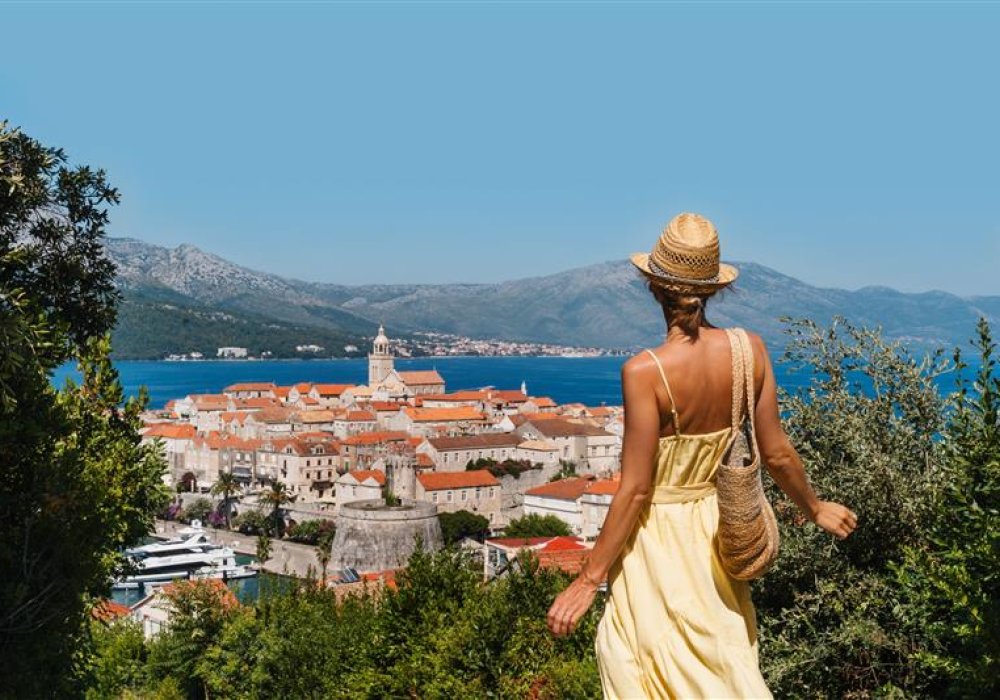
Imagine opening your shutters to the sound of church bells. A barista downstairs already knows your order. The tomatoes at the corner market taste nothing like the ones back home. Later that afternoon, you log on to work with your U.S. team, the Italian countryside framed in the background. As evening arrives, you meet friends for an aperitivo. Dinner becomes a long table with neighbors, shared stories, and laughter that carries well past sunset. You walk home through softly lit streets and familiar faces, feeling rooted rather than just passing through.
This is not a fantasy or a once‑in‑a‑lifetime vacation. This is a normal day in the life of an Italian dual citizen, holding two of the most powerful passports in the world.
And the best part is that you never have to choose between Italy and America.
With only one citizenship, international life is governed by visas, timelines, restrictions, and uncertainty. With Italian dual citizenship, those limitations disappear. The difference is felt every single day in how you travel, work, raise children, and plan your future.
Below are three common lifestyle paths made possible by Italian citizenship. Each one looks different, but all share the same foundation: the legal right to live freely between the United States, Italy, and the European Union.
Roots in Two Worlds: Raising Global Citizens Without Giving Up Home
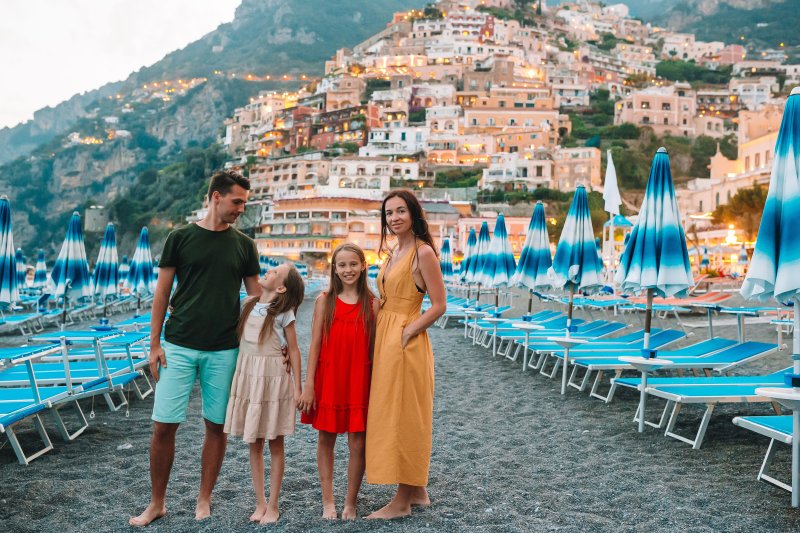
For families with young children, Italy is not a vacation destination. It is their second home.
The year is neatly divided. School happens in the U.S., where teachers, friends, and routines are familiar. Careers, schools, friends, and extended family keep daily life anchored. But each summer and school break, Italy becomes home again.
Children grow up returning to the same place in Italy the way other families return to the same lake house or beach town. Familiar faces reappear. Shopkeepers remember them. Children slip easily back into routines that feel as natural as at home. Friends are not tourists. They are neighbors. There is comfort in continuity, and each year builds on the last.
They arrive in early summer and settle in like locals, just as Italian schools close and towns shift into their summer rhythm. Because they are Italian citizens, there is no visa clock, no paperwork to justify staying, and no anxiety about overstaying a tourist allowance. Parents can stop counting days and be fully present alongside life with their children.
Families often choose a home base that feels manageable, safe, and deeply family oriented.
Walkable historic towns like Lucca, where car traffic is limited and a compact city center makes it easy for children to move independently
Tuscany’s countryside outside Florence, offering space, calm, and privacy alongside culture and infrastructure
Lake Garda towns where water, sports, and outdoor recreation shape predictable routines structured around swimming, biking, and shared public spaces
Smaller coastal towns in Liguria or Puglia, where life happens outdoors, streets stay walkable and familiar, and children move freely between home, piazza, and beach as part of the town’s natural rhythm
One of the first differences American parents notice is not logistical, but social. In Italy, children are understood as full participants in public life. They are expected to be present, visible, and integrated into adult spaces. Restaurants, cafés, town squares, markets, and community events are designed with the assumption that children will be there. This translates into daily experiences that feel almost startling to American parents at first. Children are welcomed into restaurants late at night, strollers are accommodated without fuss, and older children are trusted and expected to navigate public space with increasing independence.
Over time, this reshapes daily life for both parents and children. Outings feel less stressful. Meals stretch longer. Public spaces become usable again. Parents notice their children standing taller, speaking more confidently, and taking responsibility for themselves in small, age-appropriate ways. This shift is not about parenting style or permission, but environment and expectation. Italian life is built with children in mind, not as exceptions to be managed, but as people who belong. For families living between the U.S. and Italy through dual citizenship, this becomes one of the most profound and tangible benefits.
A Day in the Life
The day opens with the kids running down to the bakery for fresh pane and pastries, practicing Italian without realizing they are learning it. Language comes naturally when it is tied to everyday life: chatting with friends, ordering gelato, or asking for directions. They don’t study the language. They live it.
A typical weekday might include a local summer camp, a swim at the beach or lake, an afternoon class at the town’s sports center, or simply spending hours in the piazza with other kids. These are the same routines Italian children follow.
This is not sightseeing. This is belonging.
Parents may work remotely, logging into meetings from kitchen tables overlooking olive trees or tiled rooftops. Reliable internet and Italy’s growing remote‑work infrastructure make this routine possible in both cities and smaller towns. Italy is not a disruption to their professional lives. It is an extension of them, because citizenship removes the need for residency applications or temporary permits.
Evenings do not revolve around putting children away so adult life can begin. Just the opposite. As the heat softens and shops reopen after riposo, the town slowly restarts. Families leave their homes without urgency because there is no rush to maximize a short window before bedtime. Parents stop first at the market or alimentari, greeting the same vendors they see all summer. Children weave between baskets and stalls, occasionally sent back for bread or fruit, learning how to navigate small transactions on their own.
Dinner begins later than American parents expect, often well after 8 pm. Some nights include dinner at a local trattoria or pizzeria. Other nights end at home, shutters open, neighbors passing by. What does not change is the rhythm. Children remain present in public life well into the evening. Restaurants and cafés welcome families without hesitation when they appear. Children play nearby while adults linger over dinner, and the community collectively keeps an eye on them. Bedtime comes later than expected, but sleep is deeper. Mornings reset easily because the rhythm is consistent.
Weekends are not carved into isolated blocks of child centered activities. There are no packed schedules or constant driving. Saturday mornings often start with errands on foot. Markets are busier. Children come along because there is no need to exclude them. They learn what is in season, which vendor sells the best peaches, how much things should cost. Afternoons remain open: maybe a lake, maybe the beach, maybe just relaxing at home.
Evenings return to the town center with festivals, outdoor concerts, saints’ days, or simply being out where others are. Sundays are quieter and more formal. Long lunches are spent with extended families. Public spaces remain open, but things move slower. Children learn how to exist in adult time rather than being constantly entertained. What parents consistently notice is that they are not managing childhood, but sharing life together with their children.
What This Life Creates
These children grow up seeing the world as accessible. They develop a global perspective and understand that the world is bigger than one country. Europe grows to feel familiar and comfortable. Trains replace road trips. Airports are no longer intimidating. Travel becomes ordinary rather than stressful.
By the time university approaches, studying or building a career in Italy or elsewhere in the European Union feels realistic. The door is already open.
This is the lasting benefit of dual citizenship for families. It gives children confidence, cultural fluency, and lifelong choices long before they realize how valuable those things are.
Unlimited Freedom: Live, Work, and Play with Endless Options Across Europe
For the digital nomad, Italian citizenship is pure freedom. It unlocks something rare in the modern world: complete mobility without compromise. There is no countdown clock. No visa stress. No Schengen math. Life is shaped around curiosity, work rhythms, and changing interests rather than legal limitations.
Italy offers modern connectivity alongside centuries‑old surroundings. Fiber internet is common in cities, and many smaller towns now attract remote professionals specifically for this reason. Many prefer to move fluidly between locations that balance intellectual stimulation with geographic escape. High-speed rail, coworking spaces, and international communities with easy access to beautiful landscapes and daily activities make this lifestyle possible.
Walkable historic cities like Florence, where culture, international energy, and high-speed rail access make it easy to stay connected to the rest of Italy and Europe
Larger urban centers such as Milan, where professional networks and global flight connections support ambitious careers
Quieter Umbrian hill towns like Spoleto or Orvieto, where lower costs, calm routines, and scenic surroundings coexist with reliable rail access and cultural life
Coastal villages in Puglia, shaped by seasonal rhythms and an outdoor lifestyle that balances productive mornings with restorative afternoons by the sea
Piemonte wine country, where fewer distractions, strong local routines, and a food-centered culture supports calm, focused living
Home base might be a renovated stone house outside of town or an apartment inside a historic center with stunning architecture. Some years, they spend three months in Italy. Other years, six. The decision is guided purely by lifestyle, not immigration rules.
A Day in the Life
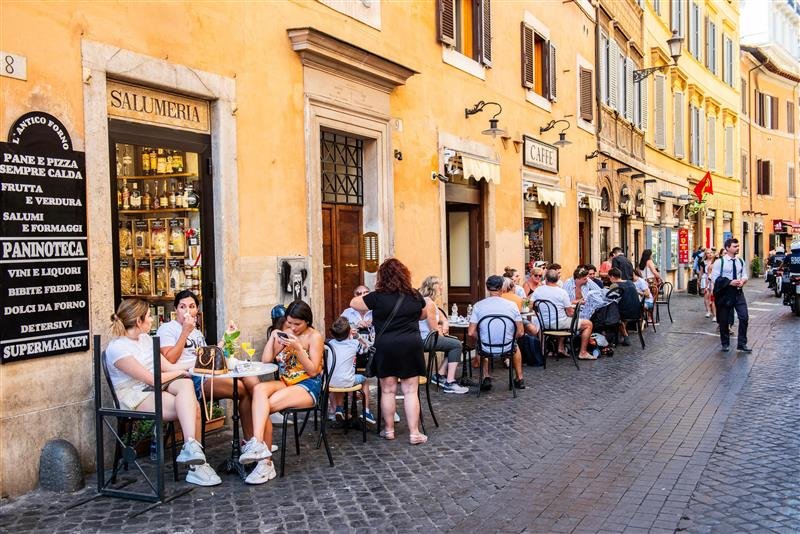
Mornings begin with errands that feel almost ceremonial: a stop at the bakery, produce from the weekly market, espresso at the bar where locals linger far longer than Americans ever do.
This is daily life, not tourism.
Work happens online, usually later in the day due to U.S. time zones. Calls are taken from a shaded terrace. Deadlines are met from a desk facing rolling hills. Lunch is intentional. Afternoons stretch long enough for errands, language classes, or a swim before logging back on. Work fits into life, not the other way around.
Evenings are social, but selective. It may include a casual last-minute invitation to aperitivo with friends or simply being present in shared public spaces soaking up the social atmosphere. Solitude does not feel conspicuous here. Dinner is late but unrushed. In smaller towns, lectures, small concerts, and literary events are more common than nightlife. Walks wind through streets where neighbors greet each other by name. When you are no longer just passing through, people greet you not as a visitor, but as someone who belongs.
Weekends are for enjoyment and rest. Sometimes that means a slow Saturday morning with coffee at the bar, a long walk through familiar streets, or a local market stop followed by an afternoon of reading, writing, or relaxing at home in beautiful surroundings. Other weekends invite exploration. Italian language classes and community events are attended not as a foreigner, but as a citizen reconnecting with their heritage. High-speed trains turn popular cities into realistic day or overnight trips: Bologna for lunch and a museum, Rome for an exhibition and dinner with friends, Turin for chocolate and architecture. With no visa deadline hovering in the background, there is plenty of time for discovery without the pressure to “see everything” in a short trip.
Driving adds another layer of freedom. Long-term car rentals or ownership are realistic options for a dual citizen. A spontaneous escape to the countryside, a hike in the Apennines, a vineyard visit in Chianti, or a beach weekend along the Ligurian or Adriatic coast is simple to arrange.
Art stops being “an outing” and becomes the background of normal life, subtly raising expectations for beauty, food, and conversation. As a result, daily life feels elevated and culturally rich.
What This Life Creates
Because an Italian passport also functions as a European passport, France, Spain, Switzerland, and beyond are simply nearby chapters rather than logistical hurdles. Visa-free access to 31 countries opens doors to jobs, collaborations, and experiences most people never even consider possible.
And all of this happens without any need to renounce American life.
Without dual citizenship, this lifestyle requires constant legal gymnastics. One mistake can lead to penalties, refusals of entry, or long‑term bans. Every decision is shaped by an exit date. Italian dual citizenship removes that ceiling completely and turns Europe into home ground.
The Good Life: Security, Health, and Peace of Mind in Retirement
For retirees, Italian dual citizenship is not about escape. It is about choice.
Many retirees divide their time intentionally: Italy for quality of life, and the U.S. for grandchildren, holidays, and lifelong friendships. Others orchestrate dual citizenship for their entire family so their children and grandchildren can move freely with them, transforming visits into shared seasons of life rather than occasional trips.
Certain regions of Italy consistently attract those seeking comfort, affordability, and cultural ease without sacrificing quality of life or access to services.
Rolling landscapes in regions like Le Marche, where authentic Italian living meets Adriatic beaches, low crowds, and reliable access to healthcare and infrastructure
Mountain towns throughout Abruzzo, valued for nature, clean air, quiet streets, strong seasonal food traditions, and some of the lowest living costs in Italy
Southern cities and towns across Sicily, where warmth, rich history, expressive community life, and year-round outdoor living are supported by strong urban healthcare centers
Others return to their ancestral towns, completing a family legacy and reconnecting with generations of history.
Some retirees choose to stay under 183 days per year in Italy for tax-planning reasons. Others eventually transition to full-time residence. The U.S.‑Italy tax treaty exists specifically to prevent double taxation on pensions and retirement income. With thoughtful planning, retirees can structure their lives to avoid unnecessary tax burdens while remaining fully compliant in both countries.
A Day in the Life
In Italy, life becomes quieter and healthier. Mornings are marked by church bells, not alarms. Leisurely walks replace rush hours. Fresh markets replace processed food. Conversation replaces screens. The pace supports long-term well-being.
Days are spent gardening, reading, walking, cooking, visiting friends, or attending local events. Food is seasonal and predictable. Not everything is available at once, and that becomes part of the pleasure.
Social contact is regular but unforced. Neighbors greet each other. Shopping at the same market stalls each week turns strangers into familiar faces. Community forms naturally through markets, festivals, shared meals, and local rituals. Friends become family. Loneliness is less likely when the environment is designed for connection rather than isolation.
Healthcare stops being a looming concern. Once fully resident or registered, retirees gain access to Italy’s public healthcare system, consistently ranked among the strongest in Europe. Co-pays and prescription medications tend to be far more reasonable than typical U.S. costs, and preventative care is emphasized as a normal part of aging rather than an exception. The result is not just coverage, but peace of mind. Medical care becomes something integrated into daily life rather than a constant financial or logistical fear, allowing retirees to focus on living well rather than planning for worst case scenarios.
What This Life Creates
Many retirees unknowingly adopt habits that mirror Italy’s well-documented Blue Zone regions, particularly Sardinia. Longevity research consistently points to the same factors present in daily Italian life: constant low-level movement, strong social ties, shared meals, modest wine consumption, reduced isolation, and stress diffused through routine and community rather than carried alone. These regions are known not only for longer life expectancy, but longer health span, meaning more years lived actively and independently.
If a permanent move is ever chosen, the door is already open. No visas. No income requirements. No age restrictions. No permission required. Italian citizenship removes uncertainty at the exact stage of life where predictability matters most.
Dual citizenship turns retirement into a flexible lifestyle plan for living well rather than a forced decision.
One Citizenship, Many Lives
Italian dual citizenship does not tell you how to live. It helps you live on your own terms. The passport stays the same, but its role evolves as you do.
It supports families who want to raise global children.
It empowers professionals who want to work from anywhere.
It offers retirees security, healthcare access, and flexibility.
Most importantly, it replaces permission with belonging. You are not visiting Italy. You belong there. And the life you build with Italian citizenship is entirely up to you.
To explore what Italian citizenship could make possible for you, contact the experts at My Italian Family to see if you qualify.