
Discover Your Italian Roots: The 20 Regions of Italy
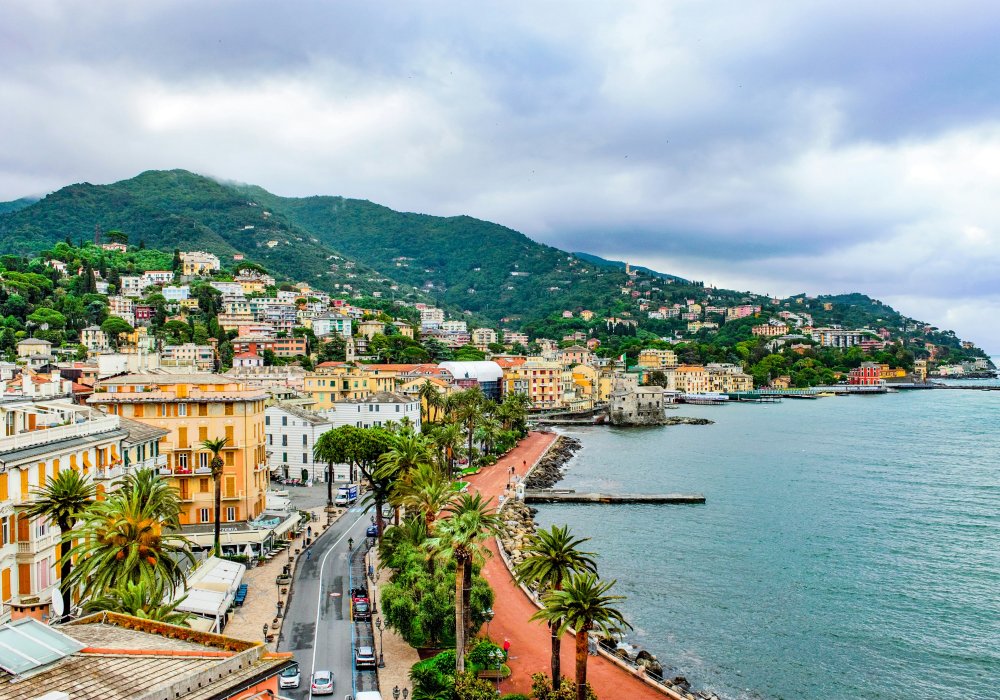
Italy is often viewed as a single nation with a shared culture, language, and identity. Yet anyone who has traveled through the country, or researched their Italian ancestry, quickly discovers a different reality.
Italy is a mosaic of 20 distinct regions, each with its own history, traditions, cuisine, dialects, landscapes, and customs. For centuries before the creation of the Kingdom of Italy in 1861, the peninsula was divided among independent kingdoms, republics, duchies, papal territories, and foreign powers. Those regional identities remain remarkably strong today.
For descendants of Italian immigrants, understanding your family's region of origin can help transform a collection of names and dates into a richer story about the lives your ancestors lived before they left Italy.
This article serves as the introduction to our Discover Your Italian Roots: The 20 Regions of Italy series. Throughout this series, we'll take a closer look at each region's unique history, culture, migration patterns, and the lasting impact those regions continue to have on families around the world.
Why Your Ancestor's Region Matters
One of the first questions we ask clients researching their Italian heritage is:
"Do you know where your family came from in Italy?"
Many families know they have Italian roots but have never identified the specific town or region their ancestors called home. Often, they are surprised to learn that an ancestor from Sicily may have lived a very different life than an ancestor from Piedmont, Veneto, Calabria, or Abruzzo.
Regional differences influenced:
- Language and dialect
- Naming traditions
- Occupations
- Religious customs
- Economic opportunities
- Emigration patterns
- Record-keeping practices
- Family traditions
Understanding a family's region of origin can often provide important clues when researching ancestry, locating records, or pursuing Italian citizenship by descent.
It can also help answer questions such as:
- Why did my ancestors leave?
- Where did they settle after emigrating?
- What was life like in their hometown?
- What traditions did they bring with them?
In many cases, regional traditions remained part of family life for generations after immigration, shaping everything from food and holidays to family customs and community connections.
Italy's Five Geographic Areas
Although Italy consists of 20 individual regions, they are often grouped into five broader geographic areas, each with its own character, history, and traditions.
Northwestern Italy is home to the Alps, major industrial centers, elegant cities, and some of the country's most famous wine-producing areas. Regions such as Piedmont, Liguria, Lombardy, and the Aosta Valley played important roles in Italy's economic development and political history.
Northeastern Italy combines alpine landscapes, maritime heritage, and some of Italy's most celebrated culinary traditions. From Venice and the Dolomites to the cultural crossroads of Friuli Venezia Giulia, this area has long served as a bridge between Italy and the rest of Europe.
Central Italy is often what people envision when they picture Italy, with rolling hills, Renaissance cities, medieval towns, vineyards, and historic landmarks. Tuscany, Umbria, Marche, and Lazio contain many of the places that helped shape Italian art, culture, religion, and government.
Southern Italy developed along a different historical path, influenced by Greek, Roman, Norman, Spanish, and other civilizations over the centuries. It was also the source of millions of emigrants who left for the United States, Canada, Argentina, Brazil, and Australia during the great migration period of the late nineteenth and early twentieth centuries.
Insular Italy, consisting of Sicily and Sardinia, has its own distinctive identity. Separated from the mainland, these islands developed unique traditions, cuisines, dialects, and cultural influences that continue to set them apart today.
A Different Italy in Every Region
Many descendants envision their ancestors leaving a single "Italian" experience behind.
The reality is far more interesting.
A farmer from rural Calabria, a fisherman from Sicily, a merchant from Liguria, and a vineyard owner from Piedmont may all have considered themselves Italian. Yet they often spoke different dialects, ate different foods, followed different local traditions, and experienced entirely different economic realities.
In many cases, regional identity was stronger than national identity, particularly before unification.
That's one reason why understanding your family's regional roots can be so rewarding. It helps place your ancestors within the social, economic, and historical context that shaped their lives, while providing a deeper understanding of the choices they made, the traditions they carried with them, and the communities they left behind.
For some families, these discoveries become a way to reconnect with their heritage. For others, they may also provide clues about a potential path to Italian citizenship.
Researching Your Italian Roots
For those pursuing Italian citizenship by descent, identifying your ancestor's exact town of origin is often one of the most important steps in both citizenship and genealogical research.
The specific town and region where an ancestor lived may determine:
- Where civil records are located
- Which church archives contain family records
- Local naming conventions
- Migration patterns
- Historical circumstances affecting citizenship eligibility
Many of the records needed for Italian citizenship applications are maintained only at the local level. Knowing your family's region often helps narrow the search, but identifying the exact comune (municipality) where your ancestor was born, married, or lived is usually the key to locating the documents that tell your family's story.
Even if your goal is simply to learn more about your family history, understanding an ancestral region often provides valuable insight into the challenges and opportunities your family experienced before emigrating.
The Journey Begins
Italy's 20 regions tell 20 different stories.
Some are stories of mountain villages nestled deep in the Alps. Others are stories of bustling port cities, agricultural communities, fishing villages, ancient kingdoms, and thriving commercial centers.
Together, they form the history of modern Italy and the history of millions of descendants around the world.
Throughout this series, we'll spotlight each region individually, exploring:
- Regional history
- Cultural traditions
- Emigration patterns
- Genealogy resources
- Citizenship research considerations
- Cuisine and local customs
- Important cities and landmarks
Whether your ancestors came from Sicily, Veneto, Tuscany, Campania, Calabria, Piedmont, or somewhere in between, there's a fascinating regional story waiting to be discovered.
And understanding that story may help you better understand your own.
Explore Italy's 20 Regions
This article serves as the hub for our Discover Your Italian Roots series. Use the guide below to explore each of Italy's 20 regions. New regional spotlights will be added as they become available.
Northwest Italy
- Piedmont (coming soon)
- Aosta Valley (coming soon)
- Liguria (coming soon)
- Lombardy (coming soon)
Northeast Italy
- Veneto (coming soon)
- Trentino-Alto Adige/South Tyrol (coming soon)
- Friuli Venezia Giulia (coming soon)
- Emilia-Romagna (coming soon)
Central Italy
- Tuscany (coming soon)
- Umbria (coming soon)
- Marche (coming soon)
- Lazio (coming soon)
Southern Italy
- Abruzzo (coming soon)
- Molise (coming soon)
- Campania (coming soon)
- Puglia (coming soon)
- Basilicata (coming soon)
- Calabria (coming soon)
Insular Italy
- Sicily (coming soon)
- Sardinia (coming soon)
Each of Italy's 20 regions tells a unique story. Whether your ancestors came from the mountains of the north, the rolling hills of central Italy, the villages of the south, or the islands of Sicily and Sardinia, understanding their regional origins can provide valuable insight into your family's history and heritage.
Do You Know Where Your Family Came From?
Many people know they have Italian ancestry but have never identified the exact town or region their family came from. Yet that single discovery can often open the door to a deeper understanding of family history, heritage, and identity.
Whether your goal is reconnecting with your roots, learning more about your ancestors' lives, planning a heritage trip, or exploring a possible pathway to Italian citizenship, understanding your family's origins is often the first step.
At My Italian Family, we've helped thousands of people reconnect with their Italian heritage while navigating the often-complex process of obtaining the records and documentation needed for Italian citizenship recognition.
If you're curious about whether your Italian roots may provide a pathway to Italian citizenship, schedule a free consultation with My Italian Family today. Our friendly Citizenship & Genealogy Consultants will review your family history, conduct preliminary genealogy research, explain potential next steps, and help you better understand your options.